Darwin Tour
Darwin Tour
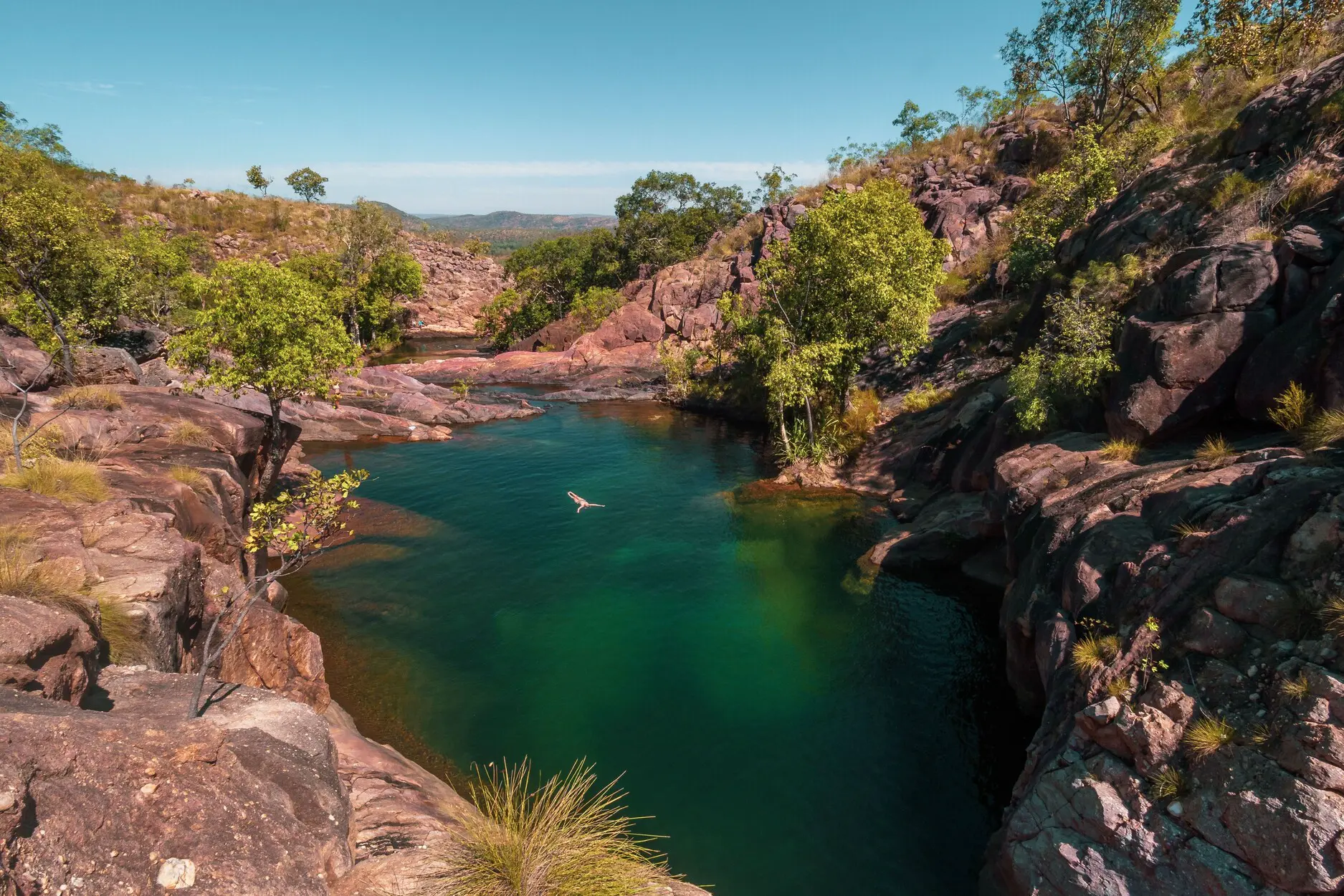
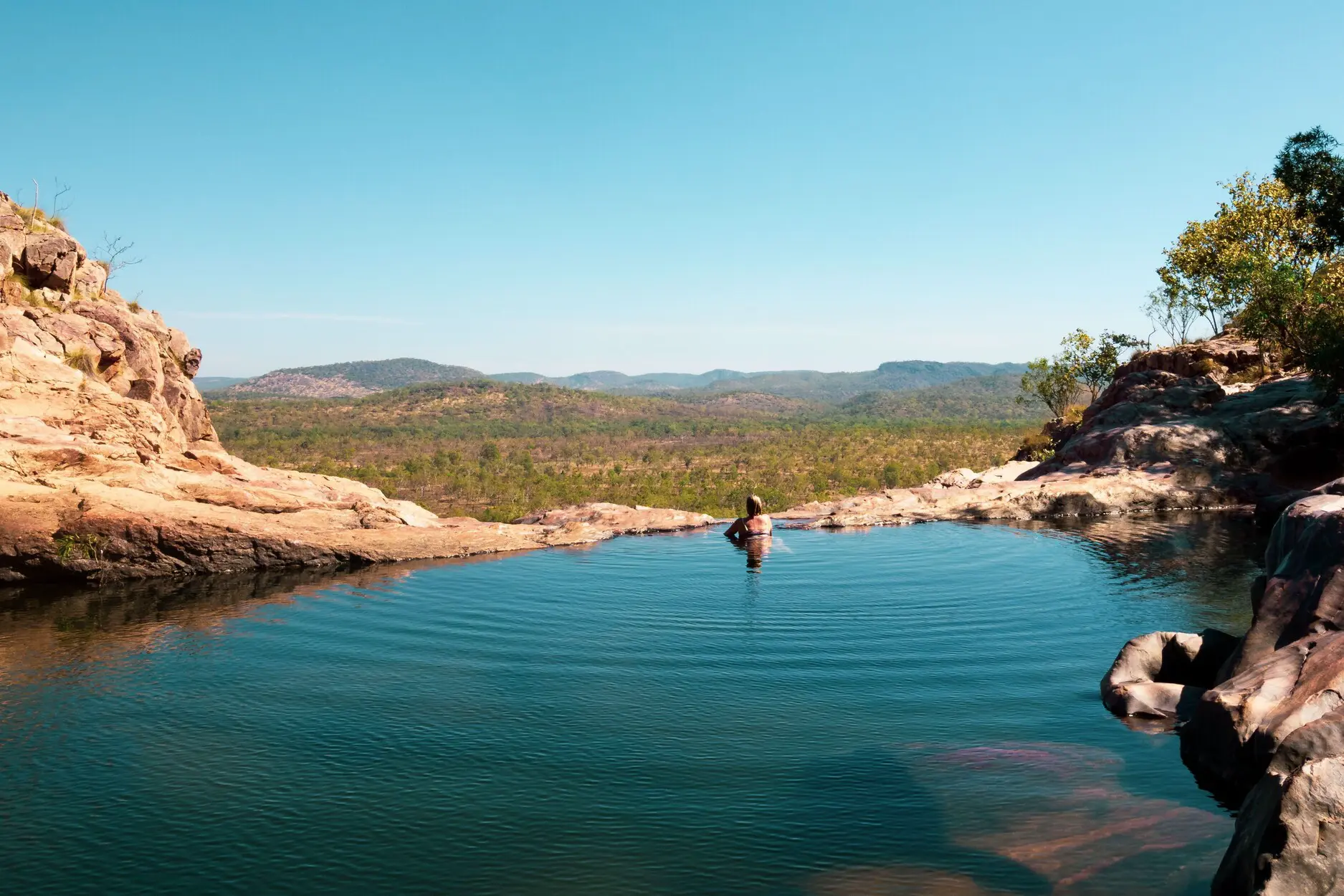
Darwin‘s a real one-off in Australia. Situated right on the edge of Port Darwin in the Northern Territory, this tropical capital throws together pretty much the whole of Australia – the unique landscapes, history, food and even some of our best-known natural attractions – all wrapped up in a pretty rough-around-the-edges package.
I’ve been to Darwin a bunch of times now, and every single visit has been completely different – some days I’ve spent at sunset markets scoffing seafood, then the next I’m out chasing waterfalls, and after that I’m on a croc cruise and tearing around the Top End in a 4WD. One thing I’ve learned, though, is that Darwin totally rewards you when you slow down a bit, soak up the heat and leave some space for things to happen unexpectedly.
Darwin doesn’t follow the same rhythm as the rest of the Country. The tropical climate gets under your skin, so you end up getting up with the sun, taking it easy in the arvo and then spending the evening out in the open when the heat actually dies down a bit.
Locals have it down to a fine art. Rather than fighting the weather, they’ve learned to work with it. Once you do the same, you’ll understand in no time why so many Aussies keep coming back to the Top End.
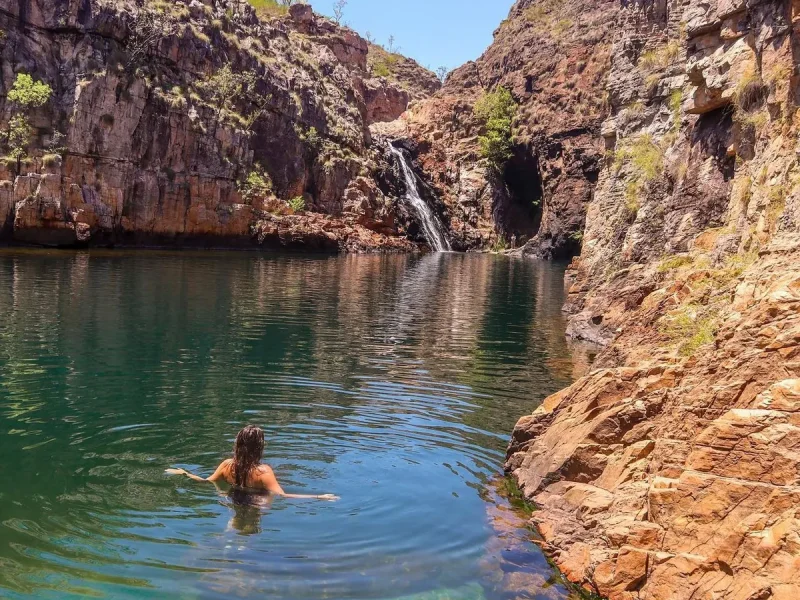
Whether you're looking for Darwin day tours, multi-day adventures, wildlife encounters, or cultural experiences, Darwin provides access to some of the most iconic destinations in Australia. Discover spectacular national parks, meet local Traditional Owners, cruise through crocodile-filled wetlands, and experience the unique landscapes that make the Top End unlike anywhere else on earth.
We’re talking the City of Darwin, nestled on the northern coast of Oz overlooking the Port of Darwin, which is a pretty good 3,100 kilometres from Sydney and connected to Adelaide by the Stuart Highway.
It’s worth noting that its location is actually closer to Jakarta than to a few of the other Aussie capitals, which has a bit to do with Darwin’s pretty unique multicultural vibe. It’s also the main transport hub for anyone exploring the wider Northern Territory.
Most people arrive in Darwin via Darwin Airport, which operates regular domestic flights and some international connections.
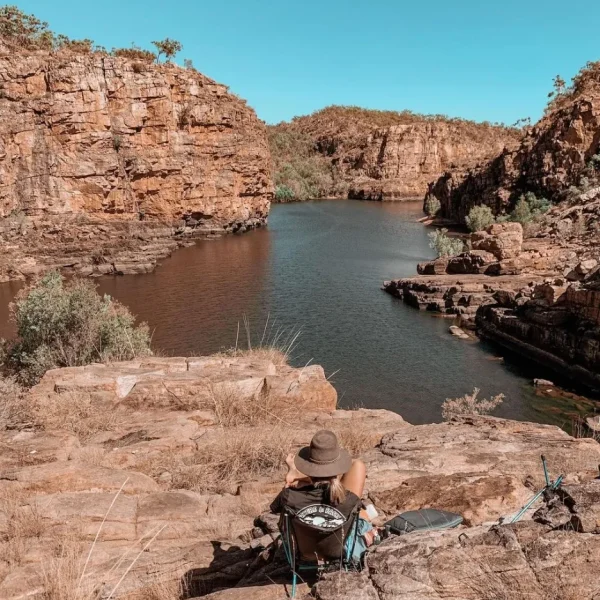
People always ask me for the lowdown on the best weather in Darwin, and the truth is, it just depends on what kind of trip you’re after.
The Dry season, which is usually May to September, is your best bet if you’re after clear blue skies, lower humidity and comfortable temperatures – pretty perfect for walking around, sightseeing and getting out into the national parks. And of course, the Dry season’s got a whole heap of outdoor events and activities crammed into the calendar.
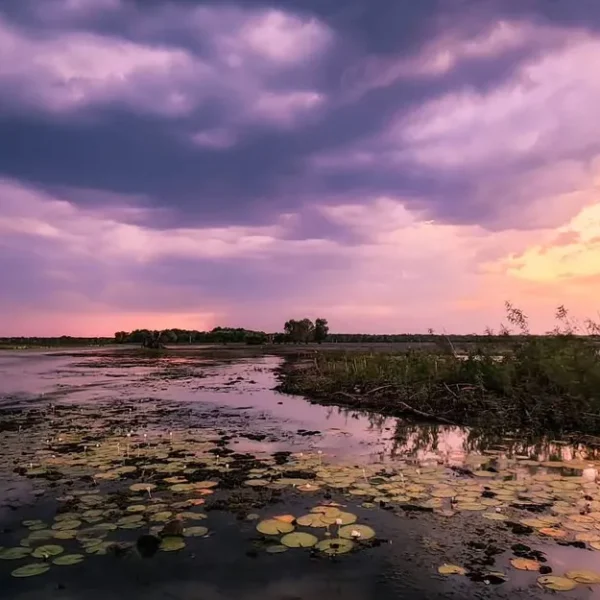
But then there’s the Wet season – and that’s a completely different story. The monsoonal rains are pretty heavy, the storms are spectacular, the humidity’s off the charts, and the odd tropical low can pop up and chuck everything up in the air. The landscape gets pretty ugly, of course, but it’s also pretty stunning.
The sun’s intense year-round, too, with a high UV index, so pack some sunscreen, a hat, and lightweight clothes to keep the sun off your skin.
Lots of visitors pop up to the waterfront for an hour or so, but then you hear yourself move on. But don’t.
The harbour, which overlooks Port Darwin, does a lot more than look pretty – its got swimming pools, eats to grab, waterfront walking paths and spectacular sunsets to watch. Looking out towards the Cox Peninsula, you can see the light really start to fade, and the views get really pretty.
Grab some local seafood, plop yourself down somewhere with a view and sit back and watch Darwin unwind.
Going to Mindil Beach without making it to the Mindil Beach Sunset Market would be like not even visiting at all.
The famous market is like a big community gathering where locals and visitors mix. And its a cracking place to get something to eat – whether its laksa or some other international street food. But try, and arrive early as the queues for the best food usually tell you all you need to know.
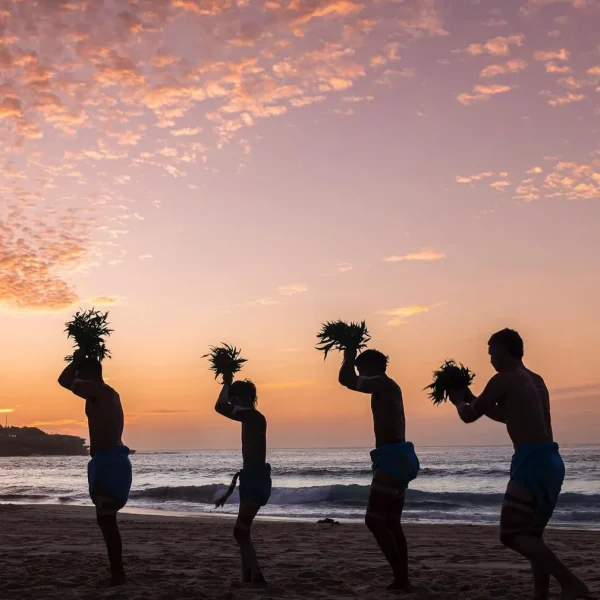
This place has been home to the Larrakia people – and they’re still very much here – for thousands of years. We’re not just talking about some old history here, either – Aboriginal culture is still an integral part of what Darwin is all about today.
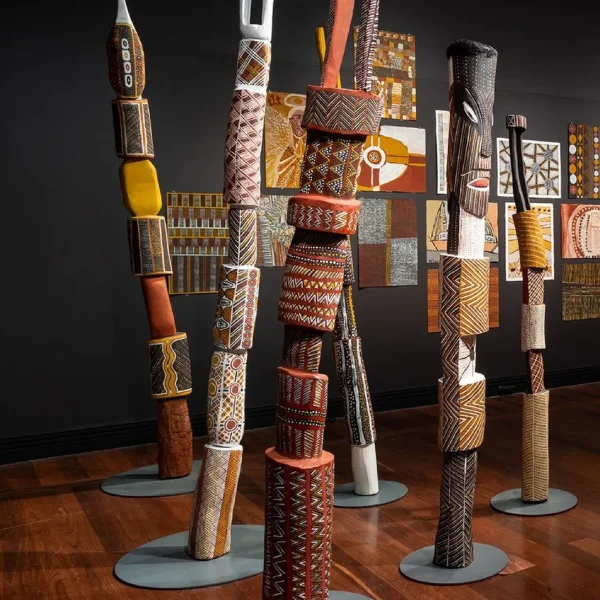
There are heaps of ways to learn about traditional Aboriginal culture, from cultural tours to art galleries to community-led activities that give you the chance to experience it all for yourself. And the more you learn about the local Country – or land – the more you’ll get out of every trip out of town, whether you’re taking a walk, going on a boat trip or heading out to the national parks.
Respecting the Traditional Owners and the Aboriginal people living here is more than just good manners – its a way of helping to preserve one of the oldest continuing cultures in Australia.
Darwin has a real knack for weathering the big hits. You don’t have to look too far to find evidence of the Japanese air raids of World War II – or the way Cyclone Tracy tore through the place on Christmas Day back in 1974.
If you want to learn more about that history, then the Defence of Darwin Experience is one of the best places to go – its a real eye opener when it comes to what life was like for the people of northern Australia during the war. And if you’re really interested in how the city coped with tragedy, the Museum and Art Gallery of the Northern Territory has a display on Cyclone Tracy that’s hard to forget.
Lots of people have wondered how the city got its name – and the answer is that it was named in honour of Charles Darwin after HMS Beagle did some surveys. Even though Darwin himself never visited the place that now bears his name, the naturalist changed the face of science, while the city named after him has carved out its own distinctive identity on the northern edge of Australia.
In the Top End, nature always has the final say – and it’s a reminder of how powerful nature can be.
Saltwater crocodiles are a fact of life out here – you’ll find them in rivers, estuaries, wetlands and coastal waters all around Darwin. Be under no illusion: these are wild animals that command huge respect.
If the warning signs say “Don’t even think about swimming”, don’t. Local authorities do their best to keep track of crocodile activity, but at the end of the day, no photo is worth risking your life for.
Seeing a five-metre saltwater crocodile launching itself out of the water is a real thrill – but also a bit unsettling. No wonder its one of the Top End’s signature experiences.
Watching crocodiles jump on a cruise on the Adelaide River is a real hoot – and its all thanks to the experienced operators who run these trips. They know their stuff, and they stick to strict safety procedures. You’ll also get a crash course in the amazing world of saltwater crocs – and that’s a big part of why respecting warning signs around here is so bloody important.
One of Darwin’s great advantages is how fast suburbia gives way to wilderness.
Get in the car, and within a short drive you’re in waterfalls, monsoon forests, escarpments, wetlands and walking tracks – its a real eye-opener. Every National Park is a bit different, so Darwin is a pretty great base for nature lovers. The scenery changes fast, too, once you leave the city behind.
Further south, Nitmiluk National Park offers spectacular sandstone gorges carved over millions of years.
Boat cruises, kayaking adventures and walking tracks allow visitors to experience Katherine Gorge from several different perspectives.
The sunrise light reflecting off the sandstone cliffs is worth the early alarm.
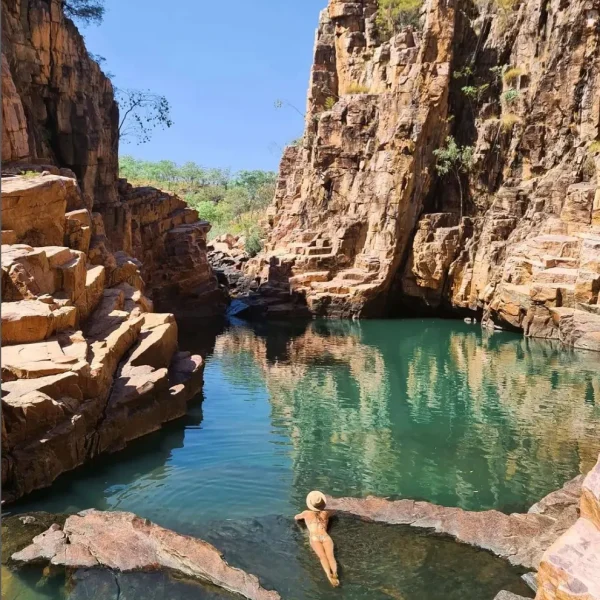
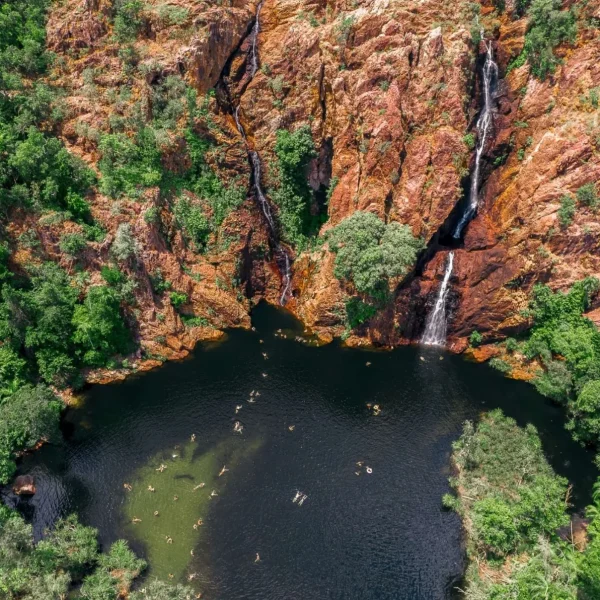
If you’re short on time, Litchfield National Park is the way to go.
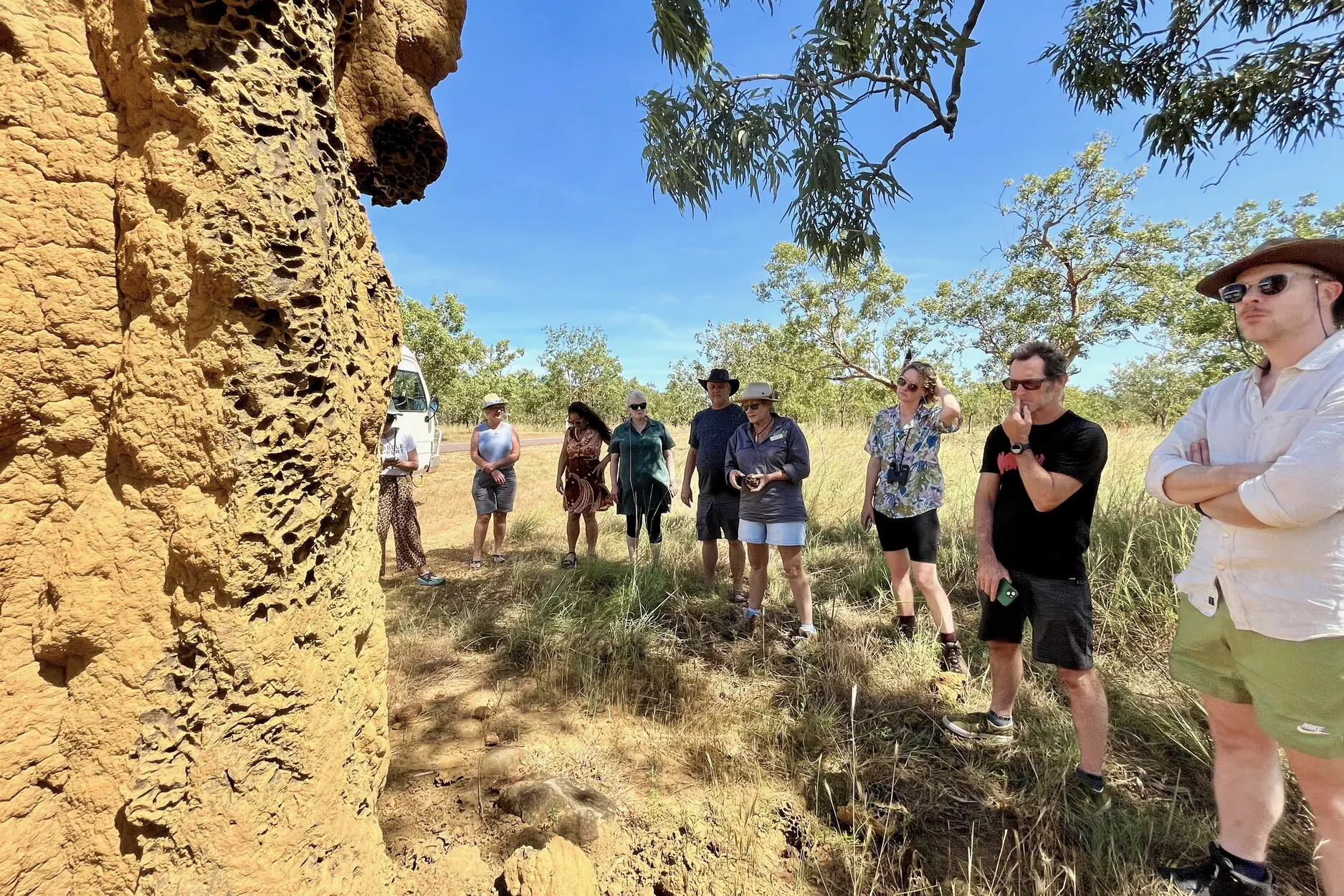
Waterfalls, termite mounds, rainforest pockets and swimming holes are all within easy reach of Darwin. Plus, most of the good stuff is accessible even during the Dry.
Try to get to Litchfield early and beat the crowds – especially in the middle of the day.
A lot of people try to squeeze Kakadu into a single day.
Honestly, though, don’t bother. Its a big park – nearly 20,000 square kilometres – that’s actually bigger than some countries. You want to see the rock art galleries, wetlands, waterfalls, escarpments and wildlife at your own pace rather than rushing past in a car.
When I first drove through Kakadu, I planned a night – ended up staying three. Which still wasn’t enough.
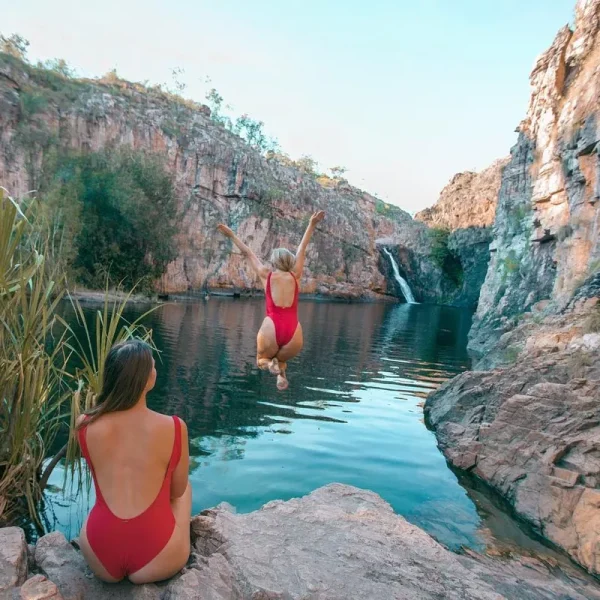
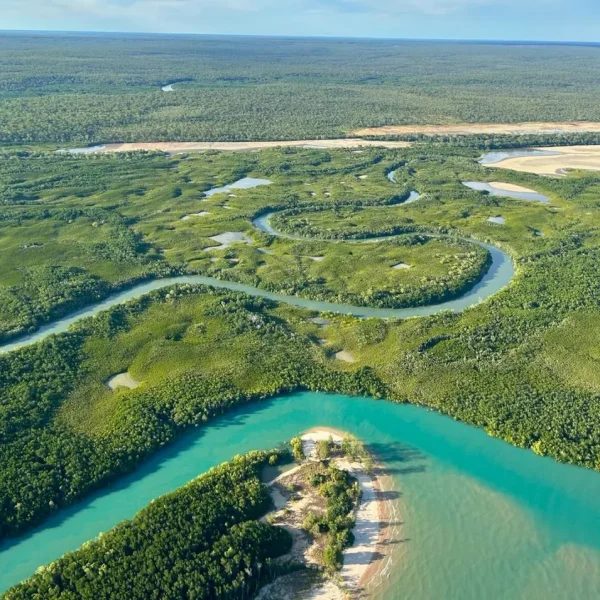
Some of the best experiences in the Northern Territory are way off the tourist trail.
Arnhem Land and the Tiwi Islands are where you can really get to grips with Australian Aboriginal culture – its art, traditions, food, fishing and customs – all through guided tours led by the people who actually live there. Getting to some of these areas can be a bit tricky – you need special permits – so plan.
These aren’t just sightseeing trips – they’re about learning, and supporting local communities at the same time.
Darwin’s cultural tapestry is woven from a diverse population, making for one of Australia’s most intriguing dining scenes.
Fresh barramundi, mud crab, tropical fruit and all the flavours of Southeast Asia pop up everywhere, reflecting the city’s close ties with its neighbouring countries. The fact that Darwin is actually closer to Jakarta than to several Aussie capital cities has shaped the local food scene over generations.
You don’t need to worry about finding the fanciest restaurant – some of the best meals come from market stalls and waterfront eateries where locals head to regularly.
Barramundi’s everywhere on the menu and for good reason.
Local prawns, oysters, mud crabs and reef fish are always on offer, depending on what’s in season. There’s nothing more Darwin than enjoying fresh seafood and a cold drink by the harbour after a long day of exploring.
Just remember to keep an eye on your chips – the seagulls have perfected the art of swiping food from unsuspecting tourists.
One of Darwin’s real strengths is that you don’t need a luxury budget to enjoy the city. Whether you’re backpacking, towing a caravan, hiring a campervan or treating yourself to a waterfront hotel, there’s something to suit just about every kind of trip.
If you’re visiting during the Dry, book early – accommodation fills up quickly during school holidays, major events and peak tourist season, and you’ll have a harder time scoring a last-minute deal.
Darwin is a fantastic base, but the Top End’s best experiences are often beyond the city limits. With a car hire or camper at your disposal, you can stop at roadside lookouts, small towns and national parks without feeling rushed.
Just be mindful of the fuel stations – they get fewer and farther between once you leave town. And trust us, you don’t want to be stuck waiting for a road train.
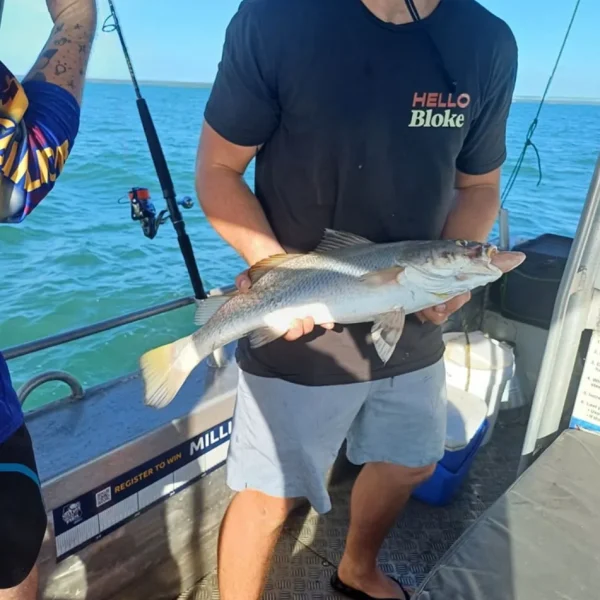
Ask a local what they’re up to on the weekend, and there’s a good chance they’ll mention a boat, a barra or both.
Darwin’s famous for barramundi fishing, with rivers, estuaries and offshore reefs attracting anglers from all over Australia. There are guided fishing charters for beginners as well as seasoned fishers who know their stuff.
Just be croc-wise, though – fishing from the wrong riverbank might give you a story you’ll be telling for years, but not the kind you’ll want to tell.
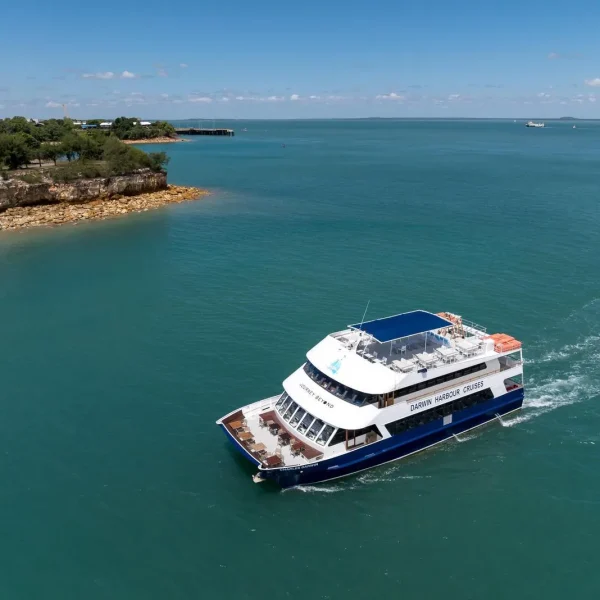
The harbour looks completely different when you’re on the water.
Sunset cruises are the most popular, combining calm conditions with those magical tropical sunsets and plenty of opportunities to spot dolphins, sea birds and the occasional turtle. Some cruises feature local seafood, while others focus on sightseeing or wildlife.
Watching the sun disappear into the Timor Sea with a warm breeze on your face is one of those simple experiences that’ll stay with you long after the trip ends.
The dry season is more than just pleasant weather; it’s Festival time in full swing.
Darwin’s internationally recognised Darwin Festival fills the streets with outdoor shows, live music, theatre, stand-up comedy and all sorts of cultural events. And that’s not all – throughout the year, you can catch things like the Darwin Aboriginal Art Fair, which really showcases some of the amazing work of Aboriginal artists all over Australia, and community events such as the NT Irish Music Festival, because why not.
Some of the venues which host these events, including Brown’s Mart and the Darwin Entertainment Centre, are also great places to catch a performance after dark – whether that’s a local show or something a bit bigger.
Watching the sun disappear into the Timor Sea with a warm breeze on your face is one of those simple experiences that’ll stay with you long after the trip ends.
Wildlife isn’t something that always happens on safaris – sometimes its right here in Darwin.
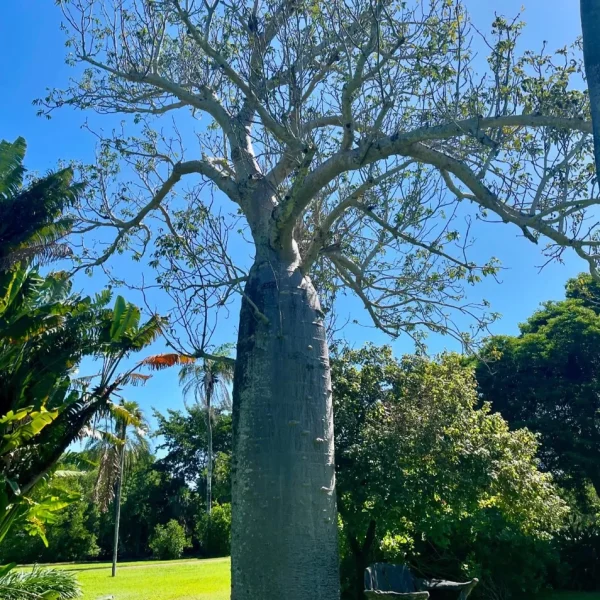
You’ll see all sorts of birds just hanging around the George Brown Darwin Botanic Gardens, wallabies grazing about on the outskirts of the city, and marine life just cruising around the harbour. And then there’s the birdwatchers – they come from all over the world to check out the Top End’s amazing wetlands during the migration seasons.
Just bear in mind that not all the water around here is safe for a dip. Freshwater crocodiles are pretty shy, but saltwater crocs are a different story altogether – don’t get confused and always listen to the locals.
People usually get caught out by Darwin’s weather on their first trip.
So make sure you’re prepared with some lightweight clothing, quick-drying shirts and a wide-brim hat, and all that other stuff like insect spray. Don’t even think about setting off without a good pair of walking shoes and a water bottle – trust us on this one.
And if you are unlucky enough to be here during the Wet, grab yourself a waterproof jacket and be ready for those sudden downpours.
Save yourself from the heat and get up early to fit in all the outdoor activities before the sun gets too strong. Always take water with you wherever you go, get those offline maps before heading off into the sticks and check the road conditions before you go anywhere in the national parks, especially during the Wet.
And above all, take your time. The Top End is not the sort of place you want to rush through.
Spend your first day exploring the Darwin Waterfront Precinct, Mindil Beach and the city – and don’t forget to catch the sunset over the harbour.
Use the second day for Litchfield day trips – go ahead and swim (where its safe, of course) and take it easy and enjoy the waterfall walks.
Finish up with a visit to the museums, a local market or a harbour cruise before heading home.
With a bit more time, you can really start to relax in Darwin.
You can cram in things like Litchfield National Park, Kakadu National Park, Nitmiluk National Park, wildlife cruises, some Indigenous cultural experiences and a few nights just enjoying the city’s restaurants and waterfront. And the result is that you get to see a lot, but without feeling like you’re rushing through – which is exactly how the locals like it.
Far too many travellers view Darwin as simply a stopover on the way somewhere else – and that’s a real shame.
Spend a few days here, and you’ll discover a tropical city that’s full of character, where Aboriginal heritage, fascinating history, multicultural food and simply stunning landscapes all come together. Pick up on the legacy of Charles Darwin and the story behind the HMS Beagle, the Larrakia people, the waterfalls of the Top End or sit back and take in a Port Darwin sunset – and you’ll find that every visit brings something new to the table.
As for my advice, I reckon it’s dead simple: don’t try to cram in every single attraction. Leave some room in your schedule for another gorgeous sunset, another trip to the markets or that unexpected detour down by the billabong. That’s where the real travel memories start to get made.
Most people reckon June to August is the way to go, when the temperature stays warm. Still, the humidity drops, making it perfect for traipsing through national parks and walking tracks and just generally getting outdoors.
Yes, provided you’re keeping an eye on the weather forecast and taking on board what the experts are saying. The Wet season can throw up some heavy rain and the odd cyclone between November and April – don’t say I didn’t warn you!
Three to five days should give you plenty of time to get to know the city and pop out to places like Litchfield National Park. If you’re also planning to head to Kakadu or Nitmiluk, give yourself at least a week to get the most out of your trip.
Are crocodiles really a thing to worry about?