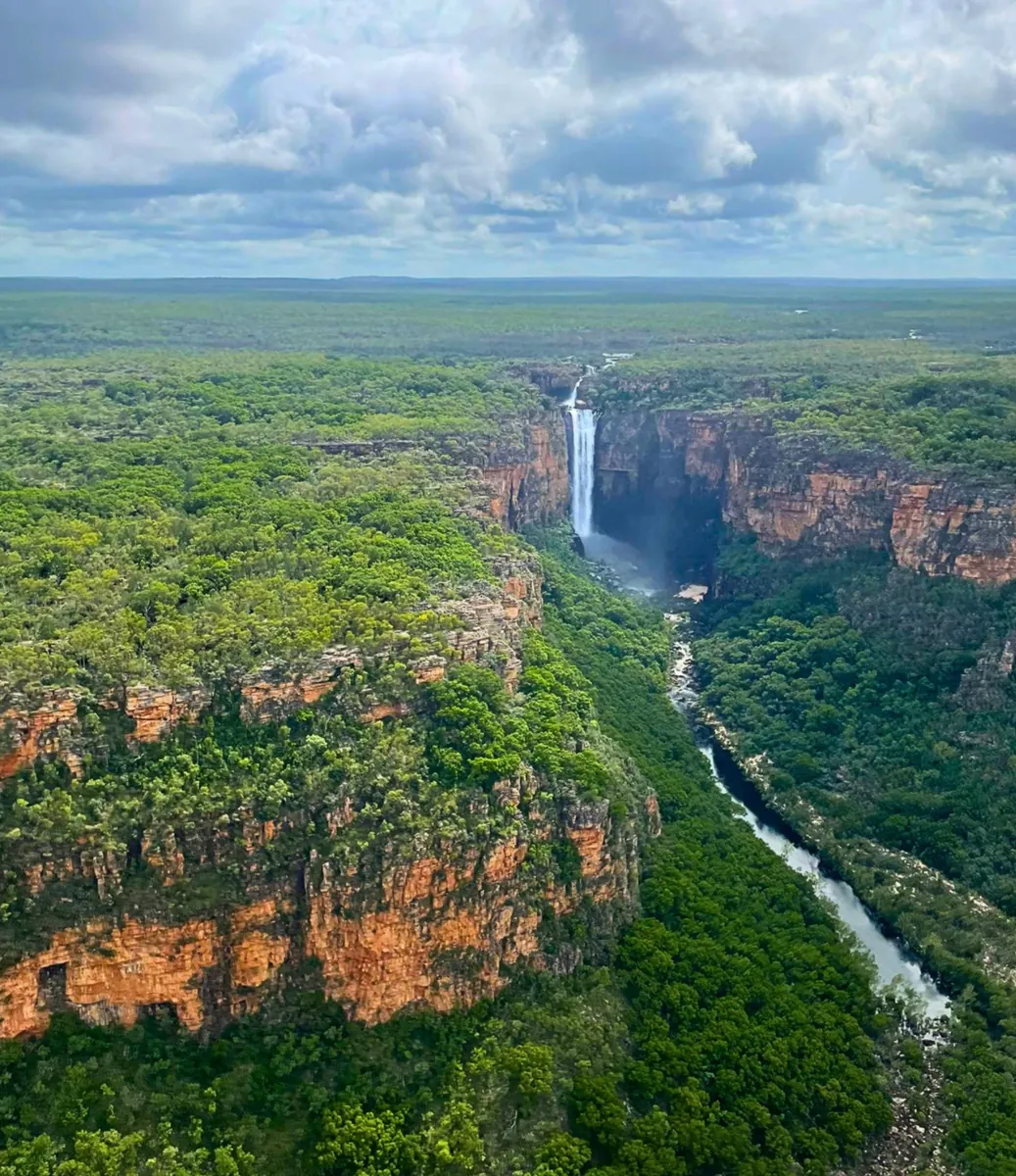
First time driving the Top End? Well, if you’re embarking on a journey to the Northern Territory for the very first time, then you’ve got to remember, it’s altogether different to whizzing around Melbourne, or Adelaide or even Hobart – you see the Top End’s got its own kind of vibe and the most common blunders tend to happen when people treat it like just another road trip through the city.
I’ve spent countless kilometres tooling around northern Australia, and I’ve learned that the most enjoyable and safe trips are the ones where you spend a wee bit of time getting prepared, not just crossing your fingers and hoping for the best. Whether you’re planning to do just one leg of the Lap of Australia or your first-ever Top End holiday, these tried-and-tested driving tips will show southern Australian drivers how to avoid the silly mistakes that consistently catch them out.
The Top End Rewards Preparation
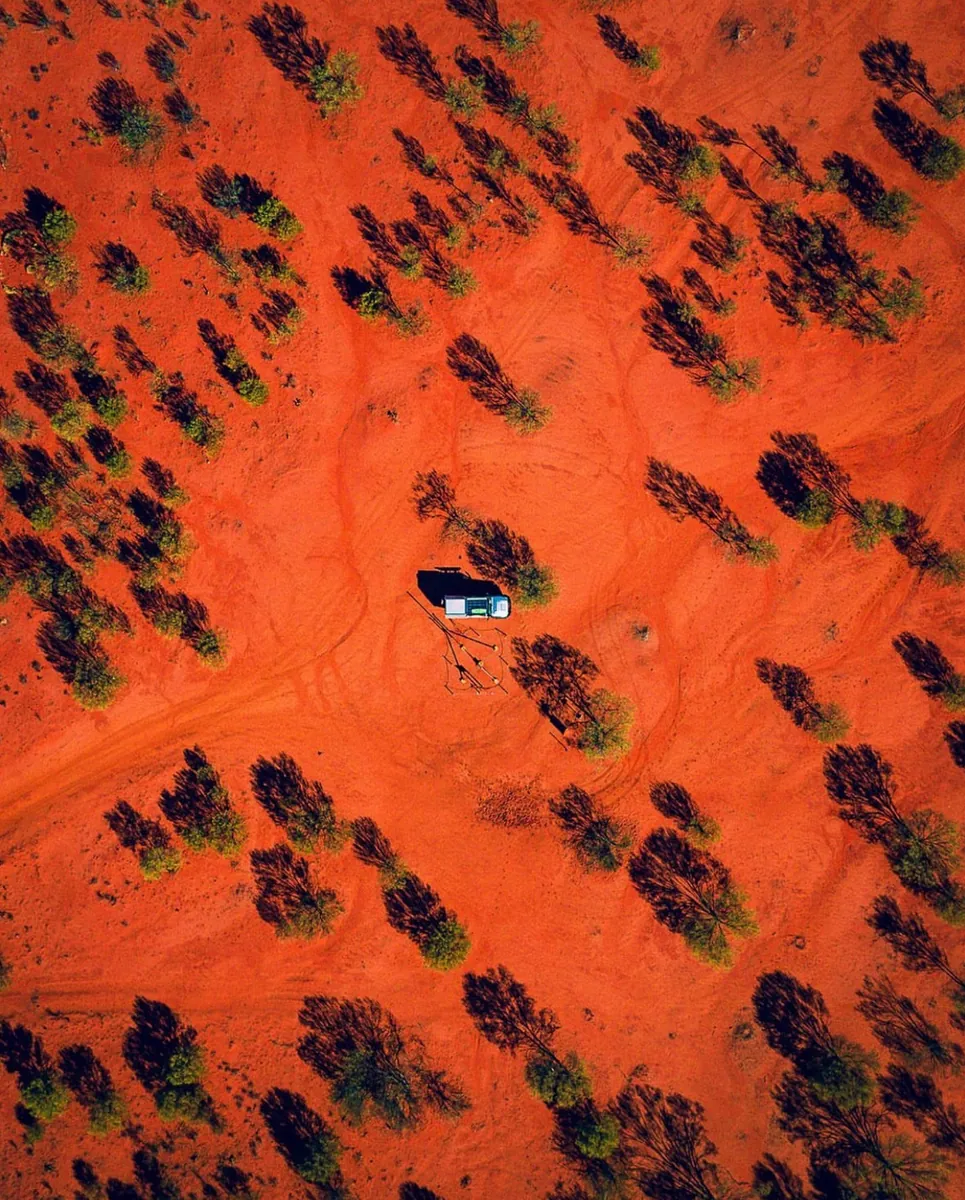
Look, the Top End isn’t exactly a nightmare to drive if you get your head around what makes it tick. The roads are usually smashingly good – but one day they’re brilliant and the next they’re closed altogether – especially during the wet season. Getting to know the locals, having a pretty solid plan, and a healthy dose of respect for the conditions will do you a world of good compared to just relying on gut instinct.
Ditch the idea of squeezing every single attraction into one day – take it easy, keep an eye out for those all-important traffic signs and speed signs, and listen to any local advice, and you’ll actually get to enjoy the ride a lot more.
Where Most First-Time Drivers Come Unstuck
| Common Mistake | What Happens | Better Approach |
|---|---|---|
| Underestimating distances | Driving while tired | Keep daily driving under 500 km where practical |
| Ignoring weather conditions | Flooded roads or closures | Check forecasts and road reports every morning |
| Carrying too little water | Heat stress and dehydration | Carry several litres per person plus emergency reserves |
| Driving after dark | Wildlife collisions | Avoid Night Driving whenever possible |
| Relying only on mobile reception | Navigation problems | Download offline maps and consider satellite communications in remote areas |
Over a million visitors make their way to the Northern Territory each year, and the local authorities are constantly reminding travellers to prepare for long-haul driving on remote roads, seasonal road closures, and extreme heat.
Mistake #1: Trusting The Map
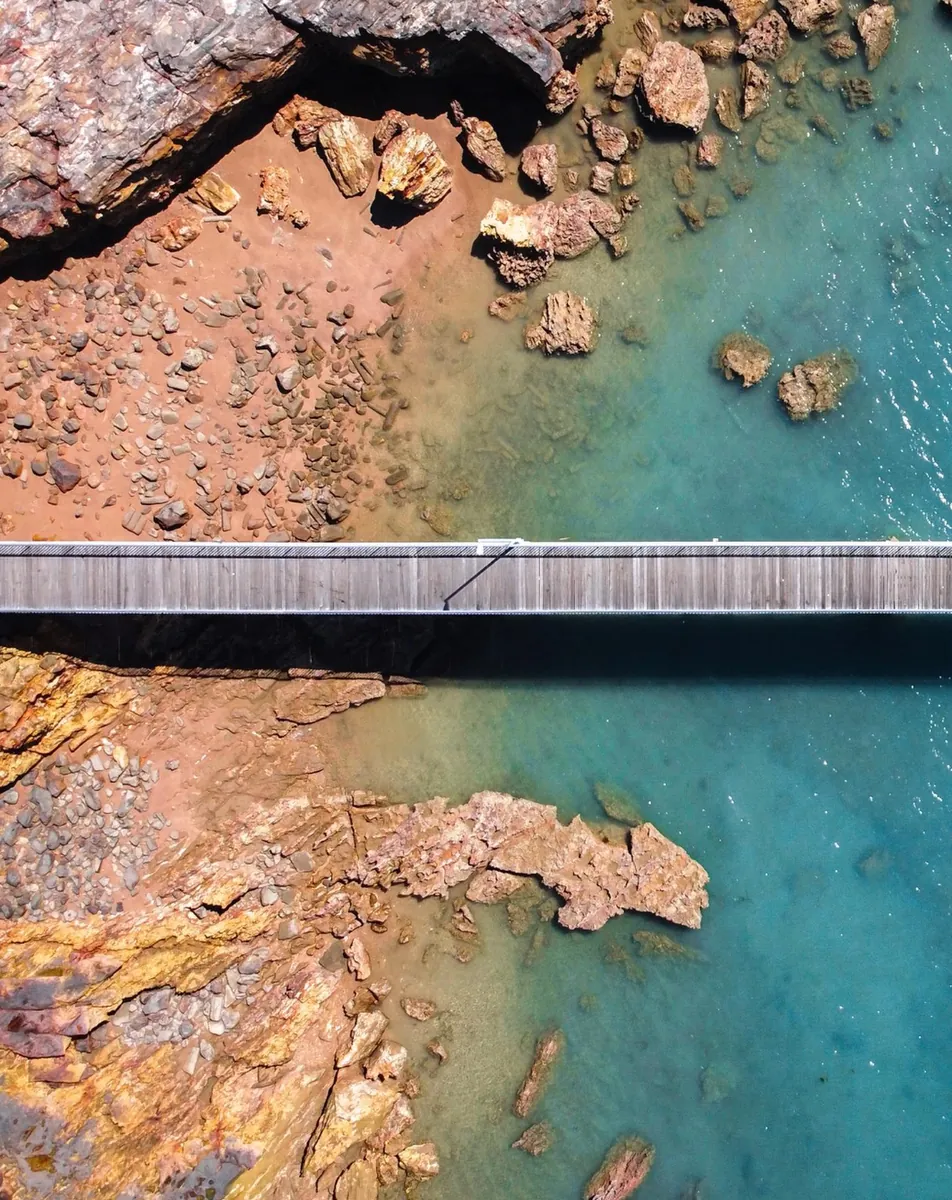
The map says four hours. But the reality is you’ll probably stop a few times for fuel, grab some snacks, deal with road trains and grumpy cattle, and the occasional wedge-tailed eagle that’s decided to make itself at home on the bitumen.
Loads of southern travellers use the distance on a map to gauge how long a trip will take – just like they do on the M25. In the Top End, though, driver fatigue becomes the biggest risk long before traffic ever does.
Give Yourself More Time Than You Think You’ll Need
Driving from Darwin to Kakadu might look like a doddle on the map, but all the stops you make along the way to have a look around, grab a shot of the scenery, or stretch your legs can soon add up. Sticking to the speed limit isn’t the most exciting thing to do, but it’s one of the smartest decisions you’ll make – try to make up for lost time by trying to drive faster than the signs say and you’ll only be asking for trouble.
I also maintain a three-second gap behind slower vehicles and road trains. That way, if someone slams on the brakes or there’s something on the road you need to avoid, you’ve got a bit of extra time to sort it out.
If at all possible, try to finish your drive for the day well before sunset. You’ll reduce the risk of wildlife encounters, avoid the hassle of driving at night, and arrive feeling much more relaxed.
Mistake #2: Ignoring The Wet Season
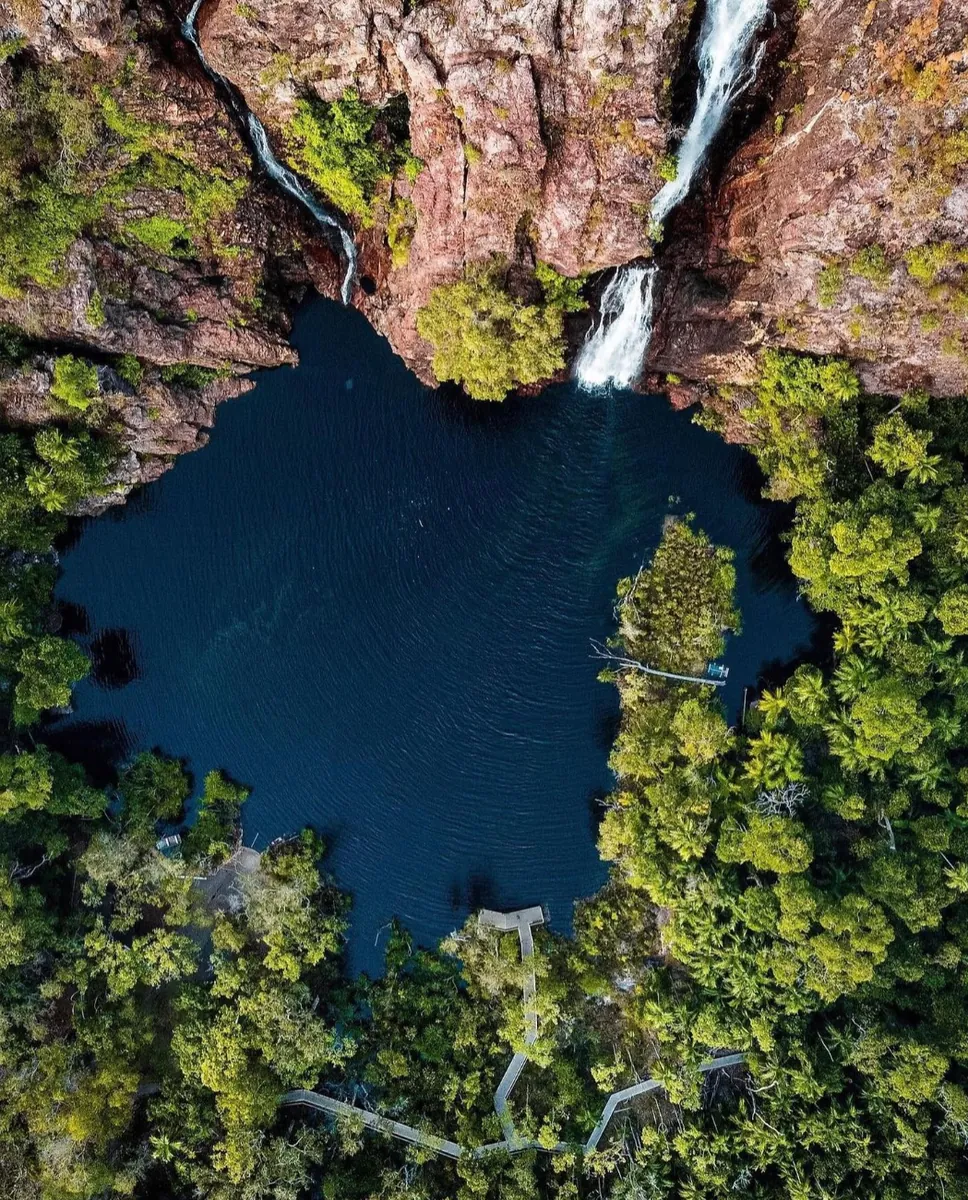
The Top End’s not really got the same sort of four seasons as down south. It’s got the dry and the wet, and they’re two completely different experiences.
Between November and April, you could get caught out by heavy rain, storms and flooding, which could change your travel plans in a heartbeat. During the dry season, roads are generally easier to get to, although the crowds of visitors will tell you that’s a bit of a blessing.
Always Check Road Conditions Before You Leave
Never assume that the road will be the same as it was yesterday.
Even on the main highways, you might find that they’ve temporarily closed after a good soaking. And then there are the national park roads that will be shut for weeks after a big weather event, or the river crossings that can turn from a breeze to a major obstacle in just a few minutes.
Local visitor centres, the people you’re staying with and official NT road reports are all your best sources of up-to-the-minute information before you head out each morning.
Mistake #3: Packing Like You’re Heading To Melbourne
A lot of people on their first trip to the NT pack with comfort in mind but forget about the gear that really makes a difference when you’re out in the middle of nowhere.
The Top End might not be trying to catch you out, but even if it is, it’s bloody hot.
The Gear You’ll Actually Use
You should pack some light clothing, but don’t forget to include a few long-sleeve tops to protect yourself from the sun. And carry plenty of drinking water, sunscreen, insect repellent, a good hat, and a basic first-aid kit.
Using offline maps on your phone is one of the smartest upgrades you can make before leaving Darwin – even if you have a decent phone signal, it’s always good to be able to rely on your maps in the areas where there is no mobile reception.
You’ll also find that a torch, spare charging cables and a small cooler come in handy after a few hours driving on the Stuart Highway. Cold water is a real luxury.
Mistake #4: Ignoring Wildlife

One of the first things you’ll notice when visiting the Top End is that locals get frustrated with tourists who make this same mistake.
Crocs, Buffalo, and Road Trains All Deserve Respect
Saltwater crocs are lurking in many of the rivers, estuaries and billabongs up here. So, if you see a warning sign that says “don’t swim”, listen to it and believe it.
Buffalo, cattle, wallabies and roos all like to hang out on the side of the road – especially early morning and late afternoon. And then there’s the road trains – big rigs that can be a bit speedier than you might expect. So, give ’em plenty of room when overtaking and make sure you’ve got a long, clear stretch of road ahead of you.
A good rule to remember is: If the locals aren’t swimming there, neither should you.
Mistake #5: Forgetting That Country Comes First
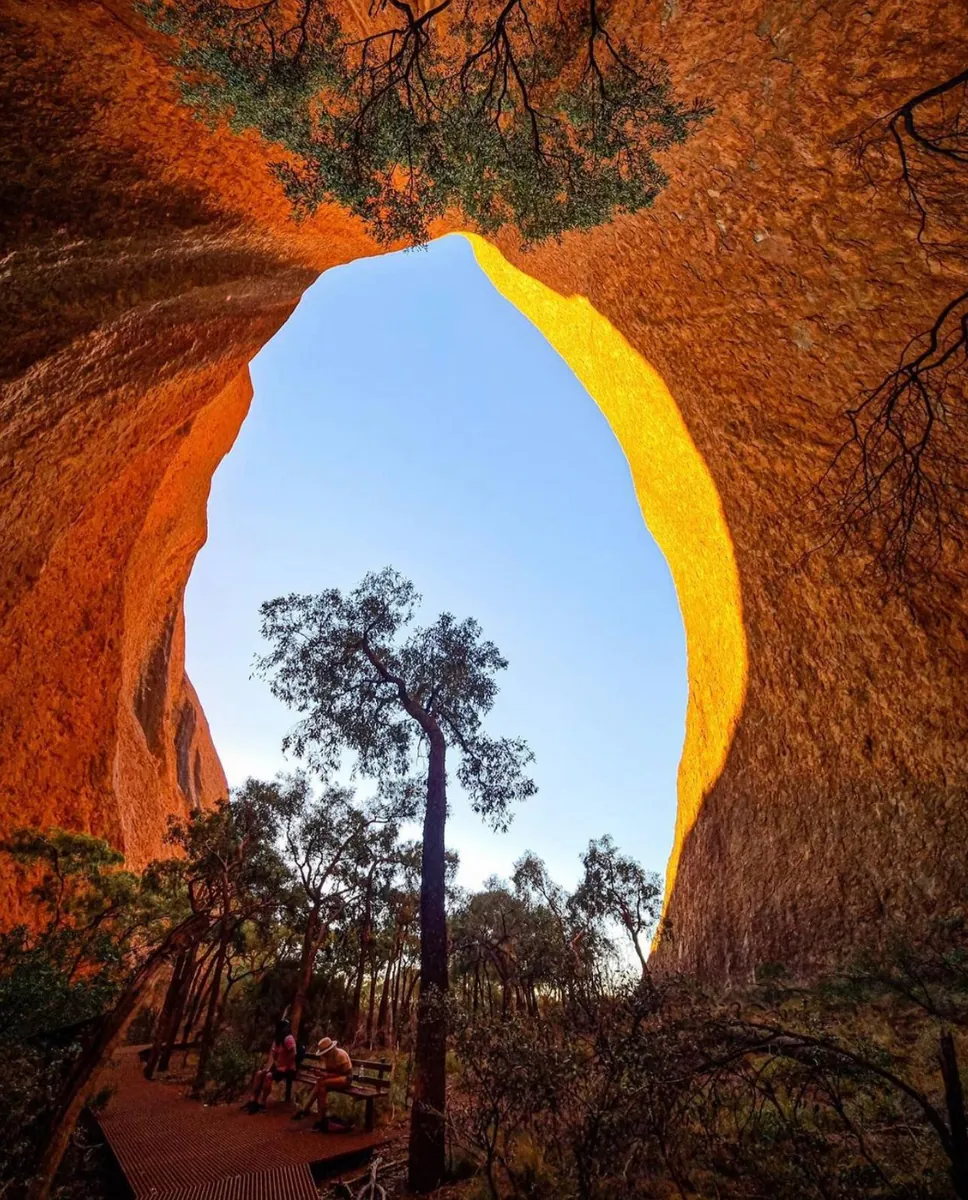
The real rewards of driving through the Top End aren’t just seeing the waterfalls and lookouts; they’re about learning from the people who have been looking after this incredible place for thousands of years.
Those who slow down and actually pay attention often leave with a much deeper appreciation for northern Australia than those just racing from one stop to the next.
Respect Traditional Owners And Local Advice
Pay attention to cultural tours, close the gates when you’re told to and never ignore the locals. Some roads require permits, and others are off-limits because of environmental or cultural reasons. Respecting those rules is just as important as following the road rules.
For me, the key is to listen and slow down. It makes all the difference on a trip.
Planning Your First Top End Driving Itinerary
Here are a few tips to help you avoid the common pitfalls of driving in the Top End.
- Give yourself some time in Darwin before you start exploring the rest of the region.
- Check the weather and road reports every single day.
- Try to finish driving for the day before sunset, especially if you’re in the country.
- Leave some room in your schedule for just sitting still and enjoying the views. It’s a big region, and it can take time to get from one place to another.
- Flexibility is often the key to a successful trip.
Local Driving Hacks You’ll Thank Yourself For Later
A few simple habits can make all the difference when you’re driving through the outback.
Like boil the billy during a rest stop instead of trying to rush lunch. And keep cleaning your windscreen because you don’t want your view to be reduced by a bunch of bug splatters. And have a bottle of water within easy reach – you don’t want to have to dig it out from under a pile of luggage.
Every morning, get out and check your vehicle. Check your tyres, lights and mirrors before you head off. It’s a lot easier to fix a problem in Darwin than it is beside a remote road where help is a long way away.
If a local tells you to steer clear of a flooded crossing or a rough track, don’t try to second-guess them – they’re probably a lot more familiar with the road than you are.
And while you’re at it, never pass a public loo without giving it a thought – you may not find another for a while.
When Is The Best Time To Drive The Top End?
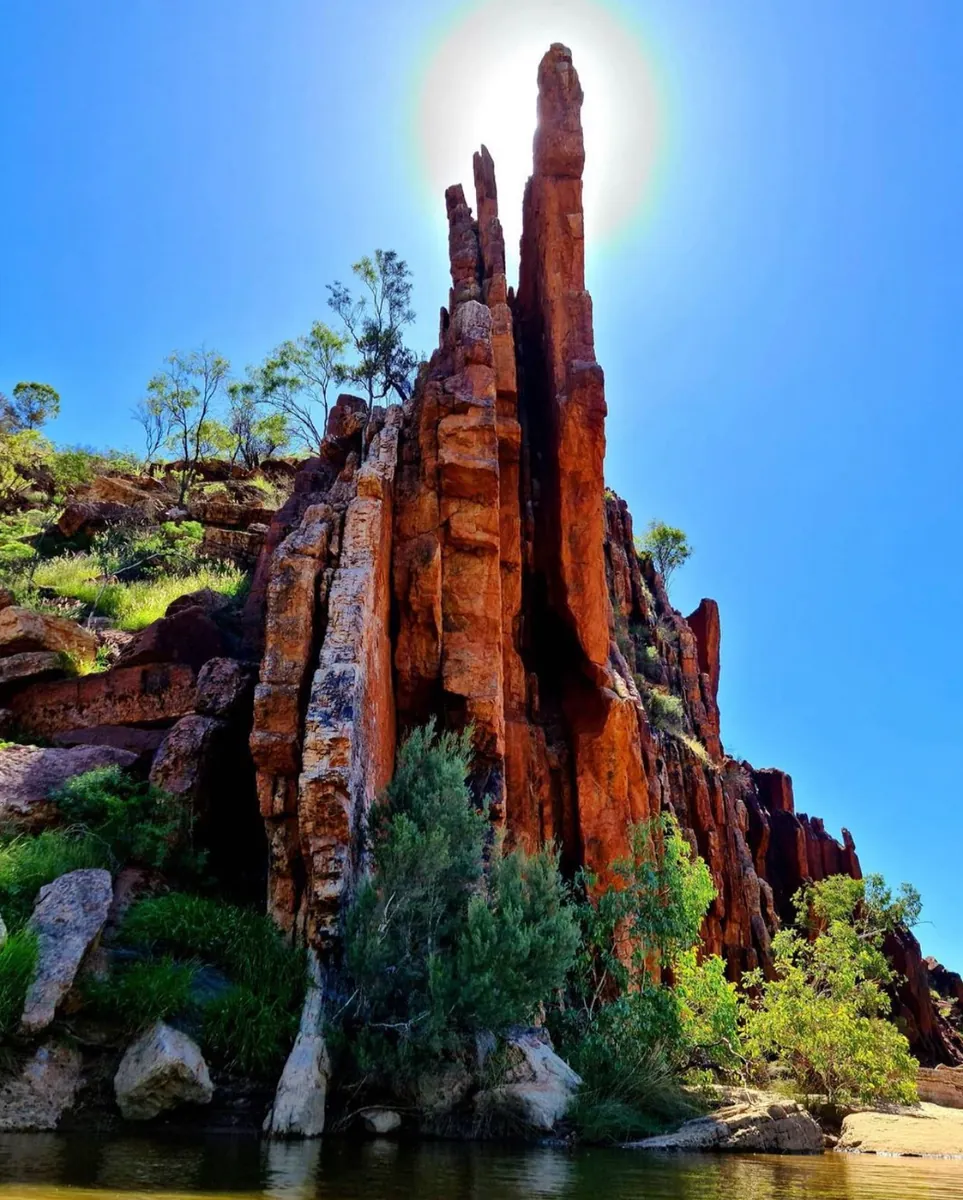
The dry season – that’s roughly May to September – is generally pretty sweet. The cooler temps make for easier driving, and you can get access to most of the good stuff. Of course, it’s also the peak tourist time, so book your accommodation ahead of time, or you’ll be left scrambling.
If you’re flexible and don’t mind a few fewer people around, the shoulder months are a good time to consider, too. You’ll still have pretty good weather and be able to get out and explore with far less traffic.
But then there’s the wet season, and that’s when things get really interesting. You’ll see some pretty dramatic storms, lush landscapes and all sorts of waterfalls. But be prepared to be flexible because the weather can turn on you in an instant, and you’ll need to adjust your plans accordingly.
Before you head out, it’s a good idea to check the weather forecast and road conditions so you know what you’re getting into.
Slow Down, Stay Alert, and Let The Top End Do The Rest
The best Top End road trips aren’t about racing from one place to the next as quickly as you can. They’re about taking your time to respect the land, preparing properly, and adapting to whatever the weather or roads throw at you.
So take it easy, listen to the locals and don’t even think about driving at night if you can help it. Do that, and your first Northern Territory road trip will be a whole lot safer, a whole lot smoother and a whole lot more memorable.