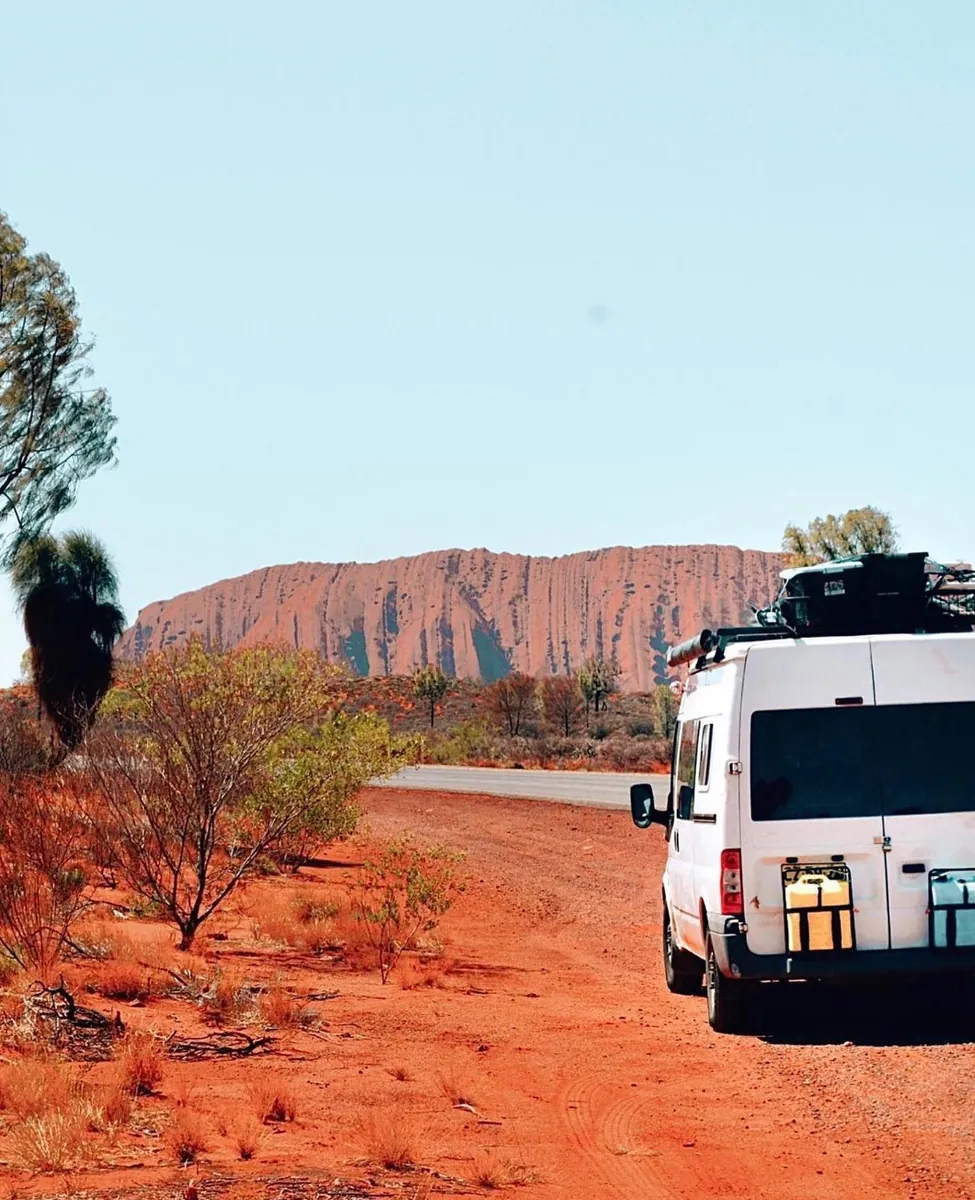
Most travellers in the Northern Territory are just looking for famous waterfalls and swimming holes to cool off after a dusty day driving. And fair enough, there’s nothing wrong with that. But Beyond the Waterfalls: The Hidden Cultural Stops on a Top End Road Trip is all about more than just finding places to swim. It’s about being shown the stories that have really shaped these landscapes for thousands of years.
For me, the Top End’s all about the memories I’ve made from having a yarn with local guides, gazing at ancient rock art, and learning a bit about Aboriginal culture. Yeah, the waterfalls are bloody amazing, but there’s heaps more to the story than that.
Slow Down And Let The Country Tell Its Own Story
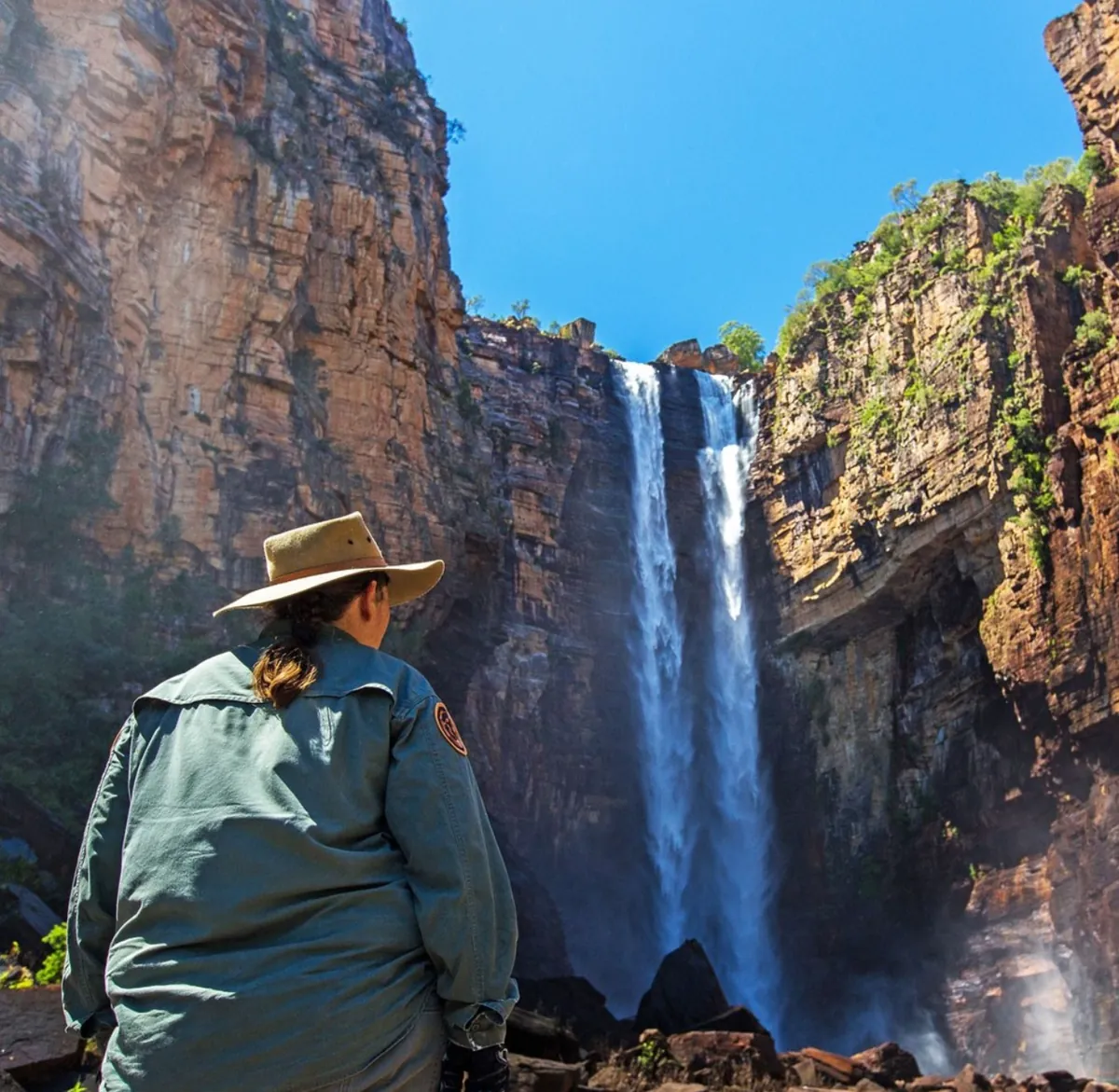
There’s always this temptation to drive from one famous spot to the next. And when it’s absolutely sizzling hot, a new swimming hole always looks like a bloody great idea. But the real magic often lies in between the big attractions.
No matter whether you’re driving along the Stuart Highway, the Arnhem Highway, or the Nature’s Way loop, you’ll be passing through landscapes where culture & Country just can’t be separated.
Ancient Landscapes Still Hold Living Traditions
Long before there were any roads up here, the Traditional Owners were moving through the Top End according to the seasons, water levels and ceremony.
Today, many visitors see the escarpments, wetlands, and monsoon forest as pretty sights. Still, the Traditional Owners see them as living cultural landscapes where stories have been passed down through the generations. Seeing the Country that way makes every stop a bit more meaningful.
Respect Creates Better Travel Experiences
I’ve learned that taking the time to show respect opens doors more than rushing ever will.
Take a read of the info boards, join a guided walk where you can, & take the time to respect local customs. Sticking to the marked tracks and following local guidance will protect these important places & make your visit much more rewarding.
Beyond Kakadu’s Famous Waterfalls
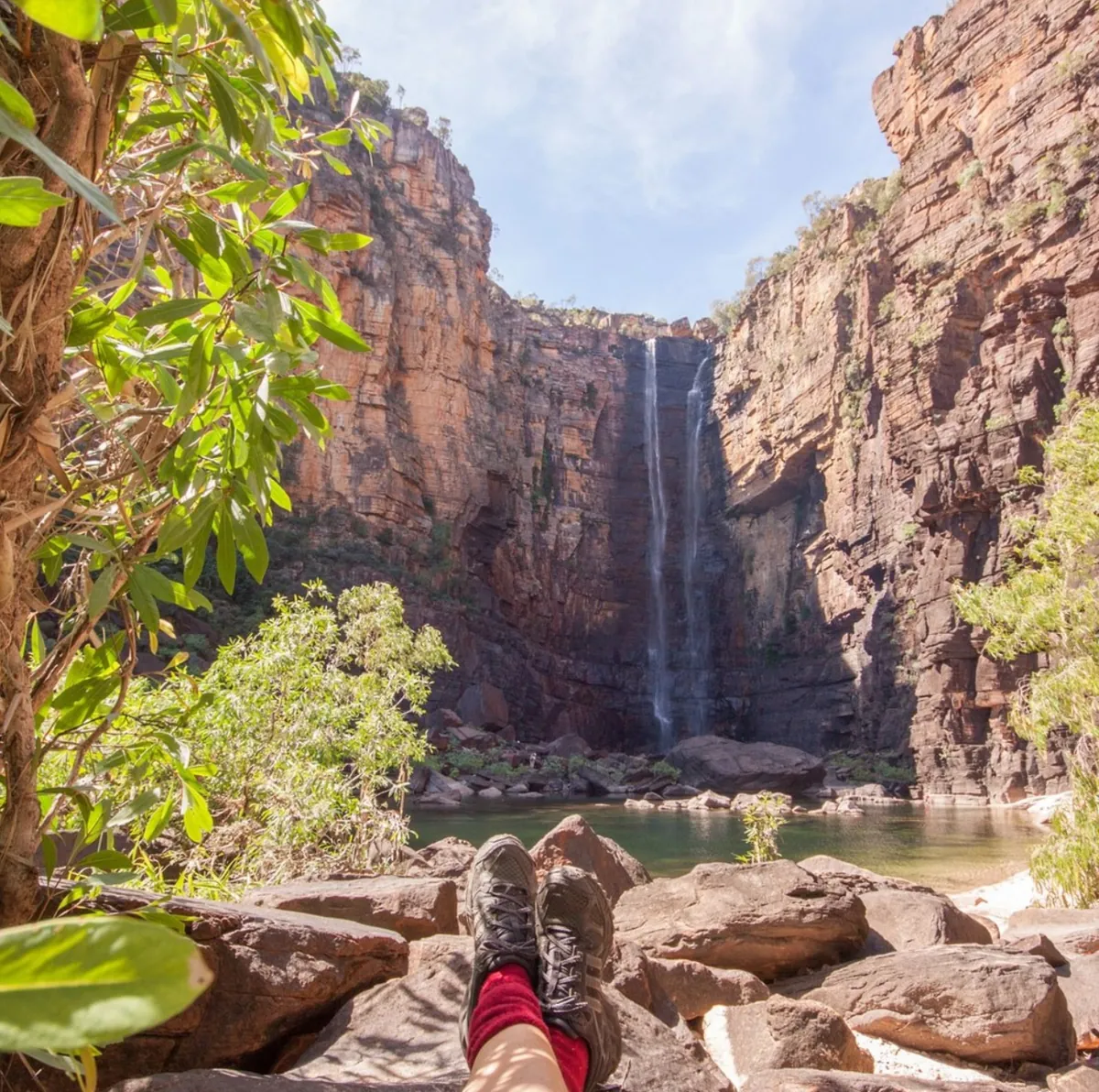
Loads of visitors arrive at Kakadu National Park with their hearts set on getting to Jim Jim Falls or finding a good spot to swim at Maguk Falls. Both those places are bloody spectacular, but the park’s cultural significance goes way beyond its waterfalls.
Because it’s a UNESCO World Heritage-listed site for both its natural & cultural importance, Kakadu is home to one of the world’s longest-running records of human habitation.
Rock Art That’s Got History
Standing in front of a gallery of First Nations rock art is an experience that’ll stay with you for a while.
At Nourlangie Rock, the artwork shows how the wildlife, hunting traditions & spiritual beliefs have all evolved over thousands of years. Nearby Ubirr has heaps of Aboriginal art with fish, turtles and other animals that still live in the area today.
These galleries are still an active part of a living cultural tradition that connects people with Country.
Don’t Rush Through Kakadu’s Cultural Spots
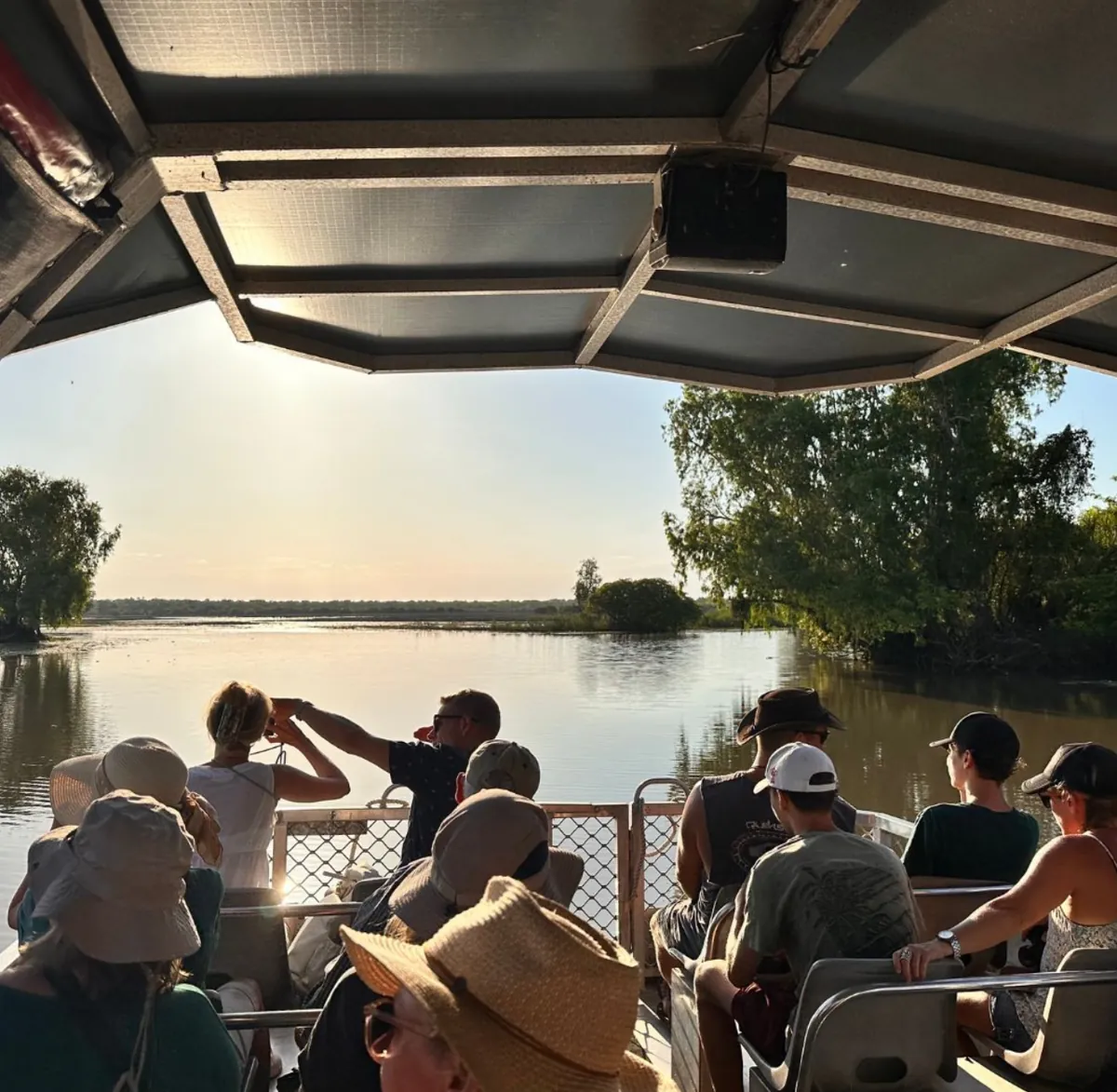
Make sure to give the Warradjan Cultural Centre a good look before you get started exploring the park & you’ll make every walk and lookout a lot more meaningful.
Later, head on over to Yellow Water Billabong for a Yellow Water Cruise that’ll show you the birdlife, crocs and other wildlife out there, as well as the wetlands’ cultural significance. And if you can, stop by Cahill’s Crossing for a look at the river from a safe distance.
Explore Litchfield Beyond The Swimming Holes
You’re likely to associate Litchfield National Park with its stunning waterfalls & landscapes. But thats not the full story of the Top End. The park has plenty more to offer when you slow down a bit and take your time.
Waterfalls Deserve Company
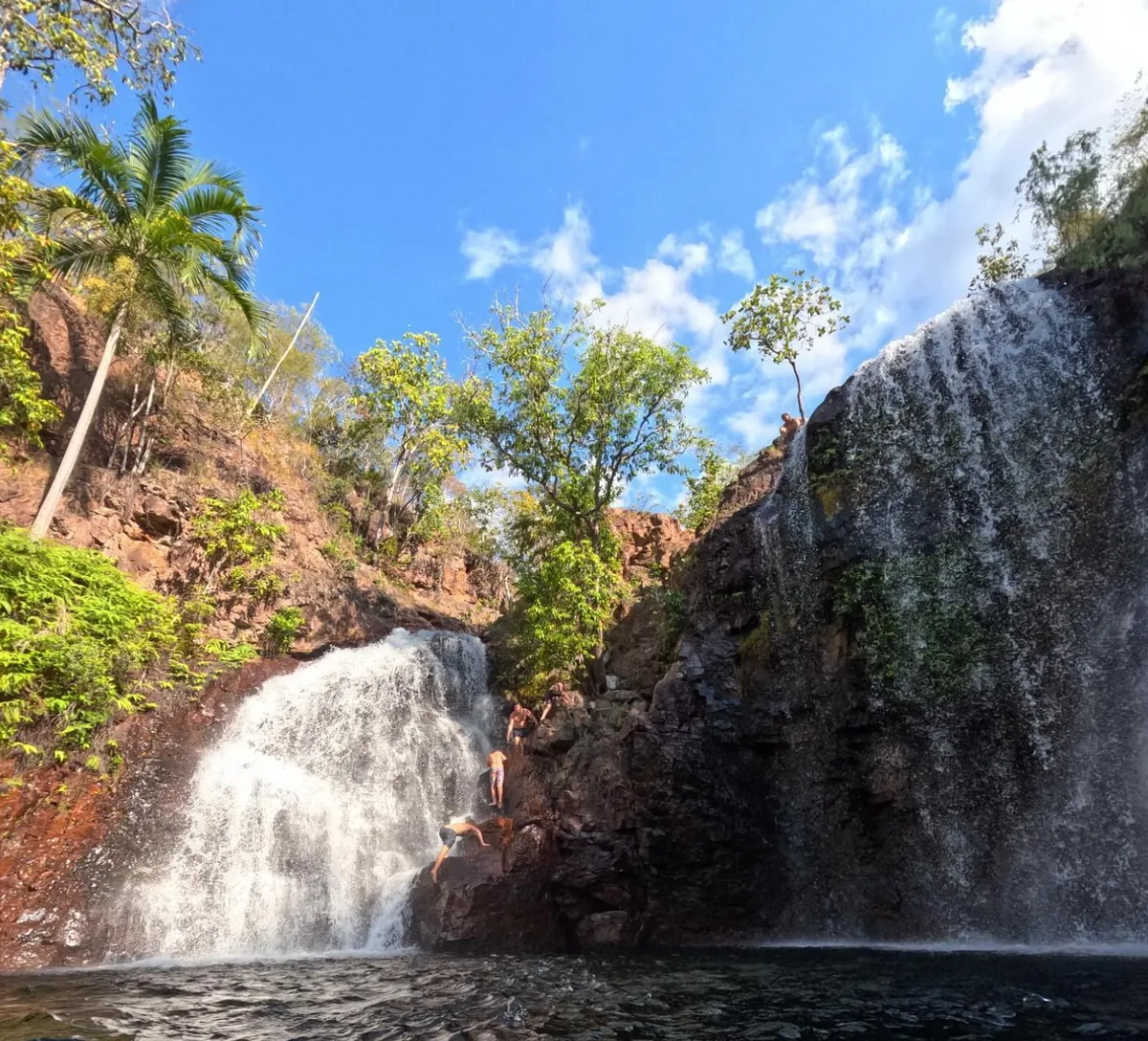
Of course, we all know and love Florence Falls and Wangi Falls, and they’re definitely worth visiting.
But if you’re willing to take a short detour, you’ll find the Lost City and the Magnetic Termite Mounds waiting for you. They’re an absolute must-see – if only because they’re just as fascinating as the falls.
Timing Makes A Huge Difference
Get an early start, and you’ll find the walking tracks nice and quiet, with the bonus of better light for taking photos. It’s also a lot cooler than it will be later in the day, so you’ll be grateful for that extra bit of shade.
Explore Katherine’s Natural Wonders
As you head south from Litchfield, the landscape switches up dramatically. You get to see towering sandstone cliffs where the coastal floodplains were before. Its a whole new chapter in the story of the Top End, and a great place to get a deeper understanding of local history & culture.
Nitmiluk Is More Than A Scenic Cruise
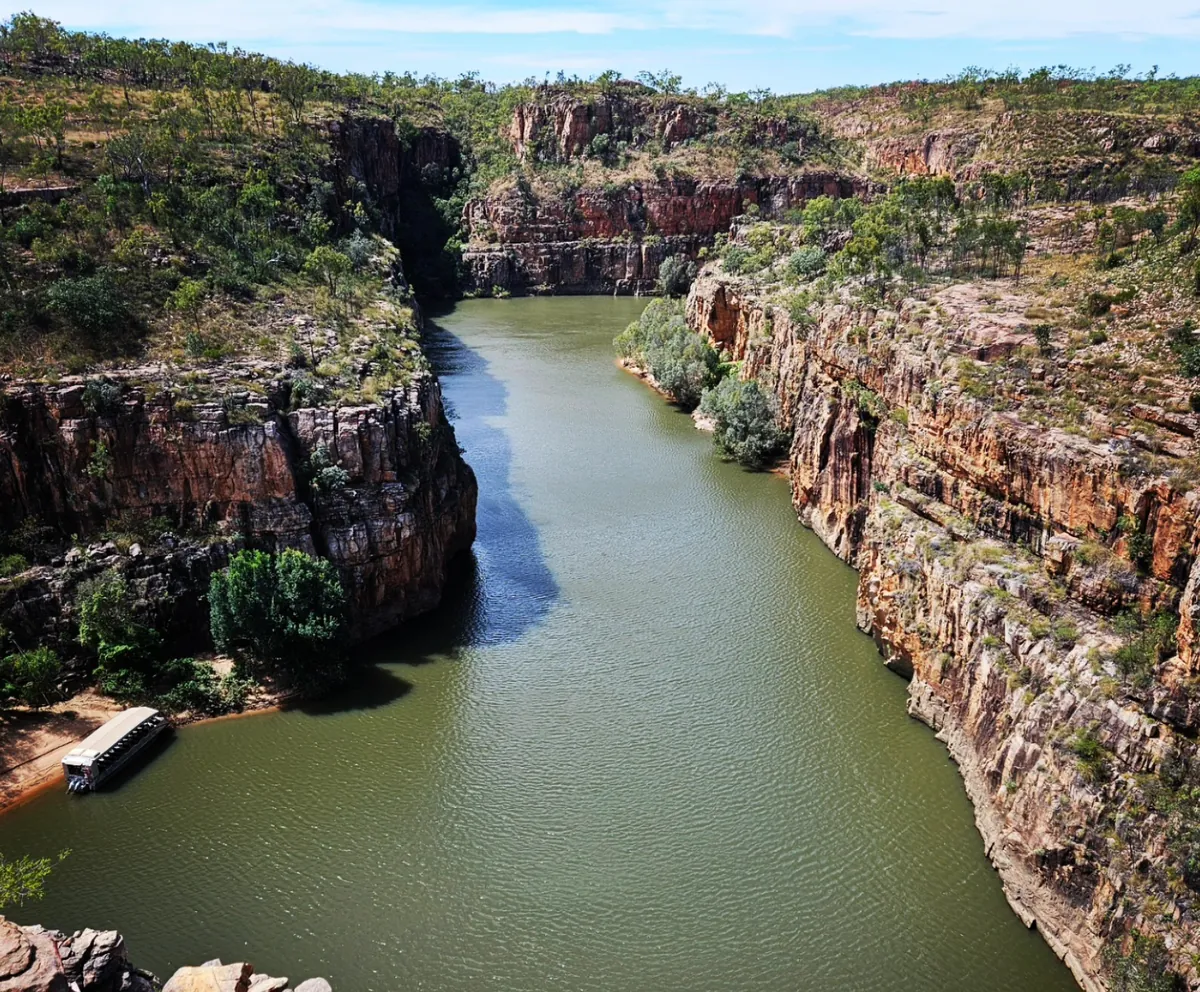
You’ll probably have heard of Nitmiluk National Park, but what you might not know is that it’s so much more than just a pretty gorge.
Nitmiluk Gorge is stunning in its own right, but if you take a guided tour, you’ll discover a whole lot more to the place than just its natural beauty. You’ll find out about the people who’ve lived there for thousands of years, and how they’ve looked after the land.
Don’t miss Edith Falls if you have the time – it’s another real highlight and offers some nice, quiet walking tracks as well as beautiful pools.
Relax Before The Next Leg Of The Journey
After a long day of driving, there’s nothing quite like a dip in Katherine Hot Springs. And if you’ve got the time, there are a couple of other places nearby that are well worth a visit, including Bitter Springs and Mataranka Thermal Pool.
Learn From Traditional Owners
Some of the most memorable experiences from your travels aren’t always the ones that get the most attention. Sometimes, it’s the conversations you have with local artists, guides and community members that really make a trip.
So if you’ve got the chance, take some time to listen to the stories of the people who live here. Not only will you gain a deeper understanding of the land and its history, but you’ll also support local communities in preserving their culture for years to come.
| Cultural Experience | What You’ll Discover | Suggested Time |
|---|---|---|
| Warradjan Cultural Centre | Local history, traditions and seasonal knowledge | 1 hour |
| Injalak Arts | Contemporary Aboriginal art and artist stories | 1–2 hours |
| Guluyambi Cultural Cruise | Culture along the East Alligator River | Half day |
| Yellow Water Cruises | Wetland ecology, wildlife and cultural insights | 2 hours |
A visit to Injalak Arts offers a chance to meet some of the locals & see how traditional knowledge continues to drive creative work today. While learning about the ways of some of the area’s best-known artists, you’ll get a real feel for how the past continues to inspire contemporary work.
Why Seasons Matter Most
When you’re travelling through the Top End, it’s not just a case of picking a month & going with it. The changing seasons have a real impact on which roads are open, what the waterfalls are like & what kind of wildlife you’re likely to see. So being a little flexible will really help.
The Dry Season Rewards Longer Road Trips
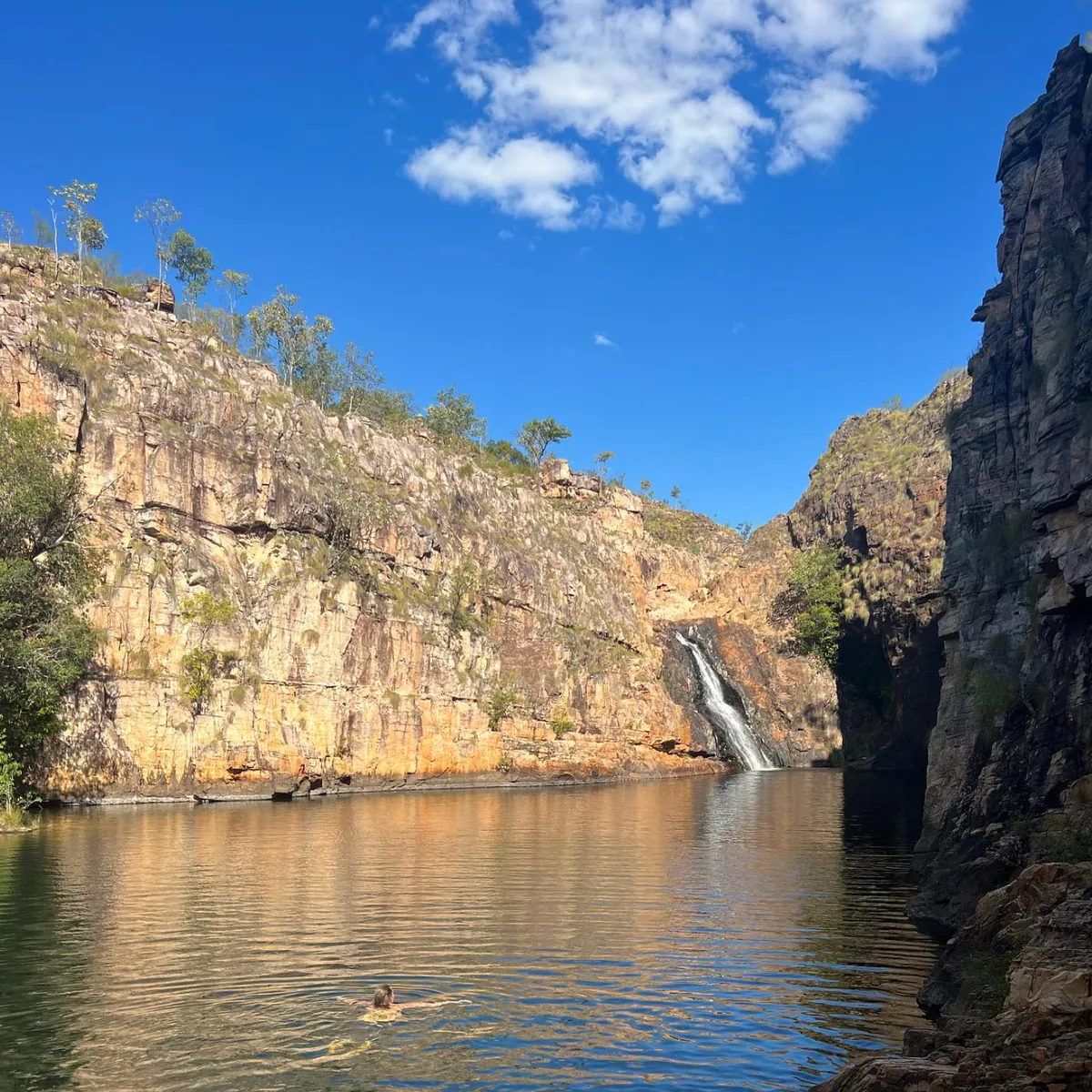
From around May to September, many of the roads that were closed due to flooding will reopen. That means you can get into places like Kakadu National Park, Litchfield National Park & Nitmiluk National Park with a bit more ease. Its also one of the best times to go on a wildlife experience – animals tend to congregate around permanent water & the walking conditions are much more comfortable.
The Wet Demands Flexibility
Rains can close roads, creek crossings & walking tracks. But the landscape looks amazing, the waterfalls are at their best & the wetlands are thriving. Rather than trying to fight the weather, be flexible & enjoy the Top End at its most lively.
Don’t Skip The Small Stops
The main attractions are great & all, but some of the real rewards come from taking the time to explore lesser-known cultural spots & hear the local stories that don’t get written up in every guidebook.
Visitor Centres Offer More Than Maps
Visitor centres still have lots to offer, even in this day & age. The staff there can give you the lowdown on current road conditions, seasonal closures & cultural events that may not even be on your nav app yet. If you’re out near Cooinda Lodge, they can give you loads of advice on what to do next, even if you’re thinking of heading out to Yellow Water Billabong.
Wildlife Is Part Of Every Journey
You’re not likely to see a set schedule for wildlife. You might see jabirus feeding by the wetlands, wallabies hopping across roads, or birds of prey soaring overhead. These are the kind of encounters that make the trip, but remember to keep an eye out for crocs around waterways & follow any warning signs.
Travel With Respect
Respecting the place you’re visiting doesn’t need to be about a million rules – just be mindful that you’re in a place of deep cultural significance & treat it with care. If you do that, you’ll be helping to protect these places for the next lot of travellers, & supporting the communities who care for them.
- If in doubt, follow the advice from the local guides, rangers & traditional owners.
- Stick to the walking tracks & boardwalks where you can.
- Just don’t touch or climb on the ancient rock art – leave it be.
- Be mindful of photography restrictions when you see them.
- Always carry plenty of drinking water & check road conditions before you set off.
- One last one – leave every place just the way you found it.
Build Flexibility Into Every Day
One thing that often catches travellers out is trying to pack every hour with a planned stop. The problem is, the Top End doesn’t work like that very well.
You can get held up by roadworks, a late-afternoon storm, or an unexpected chat with a ranger. And it’s some of these unplanned moments that often turn out to be the real highlights of the trip. Like the time I stopped to boil the billy in the middle of nowhere and ended up being given a tip-off about a place I’d never even thought of visiting.
Prepare For The Realities Of Outback Driving
The Top End is a real test for independent travellers. And to be honest, it rewards those who are prepared for whatever comes their way.
Road trains need a lot of space to pass, and fuel stops can be a long way apart – and then there’s the mobile reception, which seems to disappear outside the major towns. Keep your fuel topped up, carry plenty of water with you and don’t rely on your phone for navigation – I mean, not exclusively anyway. And on remote roads, get into the habit of checking the road conditions every morning – it just becomes second nature after a while.
Understand The Country Better
People often come to the Top End to see the waterfalls, but it’s the culture, the stories, and the traditions that really stay with you long after you’ve returned home. To get a real appreciation of the place, you need to understand the responsibilities that go with being on Country – it gives the landscapes a richness and a depth that you don’t get from a photo.
The thing that always sticks in my mind is that every time I come up here, I’m reminded of the same lesson: just slow right down, listen more than you talk and show some respect for the knowledge that the Traditional Owners have to share. You might go home with some great photos, but more importantly, you’ll have a genuine appreciation for one of Australia’s oldest living cultures.